

Lycopene
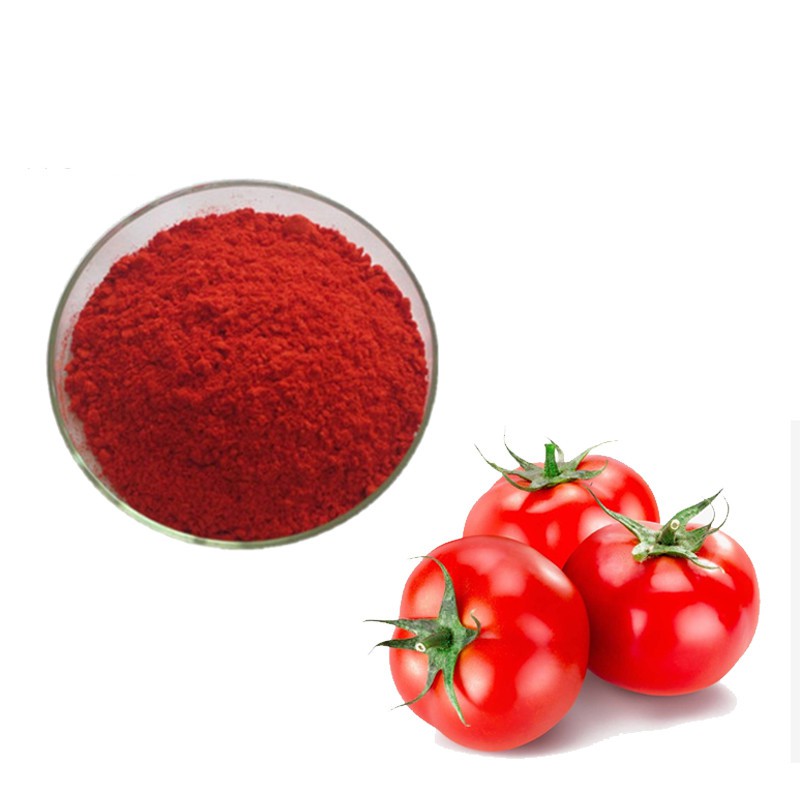
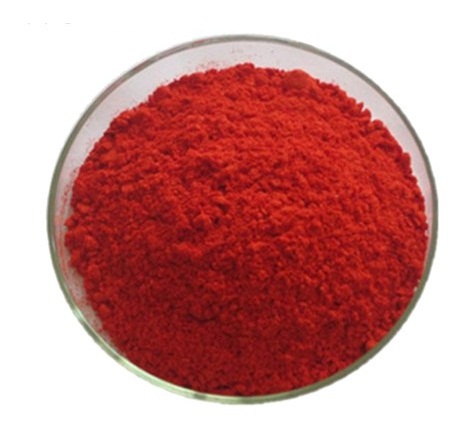
Lycopene (from the neo-latin lycopersicum, the tomato species) is a bright red carotenoid hydrocarbon found in tomatoes and other red fruits and vegetables, such as red carrots, watermelons, grapefruits, and papayas. Although lycopene is chemically a carotene, In plants, algae, and other photosynthetic organisms, lycopene is an intermediate in the biosynthesis of many carotenoids, including beta-carotene, which is responsible for yellow, orange, or red pigmentation, photosynthesis, and photoprotection. Like all carotenoids, lycopene is a tetraterpene. It is insoluble in water. Eleven conjugated double bonds give lycopene its deep red color. Owing to the strong color, lycopene is useful as a food coloring
Lycopene (from the neo-latin lycopersicum, the tomato species) is a bright red carotenoid hydrocarbon found in tomatoes and other red fruits and vegetables, such as red carrots, watermelons, grapefruits, and papayas. Although lycopene is chemically a carotene, In plants, algae, and other photosynthetic organisms, lycopene is an intermediate in the biosynthesis of many carotenoids, including beta-carotene, which is responsible for yellow, orange, or red pigmentation, photosynthesis, and photoprotection. Like all carotenoids, lycopene is a tetraterpene. It is insoluble in water. Eleven conjugated double bonds give lycopene its deep red color. Owing to the strong color, lycopene is useful as a food coloring
Related Products
-
Get Quote
Βeta Carotene
Βeta carotene is an organic, strongly coloured red-orange pigment abundant in fungi, plants, and fruits. It is a member of the carotenes, which are terpenoids (isoprenoids), synthesized biochemically from eight isoprene units and thus having 40 carbons. Among the carotenes, β-carotene is distinguished by having beta-rings at both ends of the molecule. Β-carotene is biosynthesized from geranylgeranyl pyrophosphate.
-
Get Quote
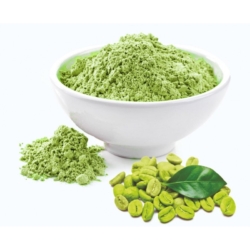
Green Coffee Extract
Green coffee extract is an extract of unroasted, green coffee beans. It is used in the swiss water process for decaffeinating coffee. It has also been used as a weight-loss supplement and as an ingredient in other weight-loss products
-
Get Quote
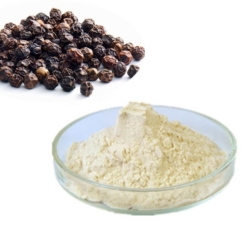
Piperine Extract
Piperine, along with its isomer chavicine, is the alkaloid responsible for the pungency of black pepper and long pepper. It has been used in some forms of traditional medicine.
Reviews
There are no reviews yet.